The Challenge of Modern Pig Farming and the Promise of Data
The global demand for pork is rising, but so are the complexities of modern pig farming. Farmers today face a relentless trifecta of challenges: maintaining high standards of animal welfare, optimizing feed conversion ratios for profitability, and navigating increasingly stringent environmental regulations. Traditional farming methods, relying on periodic visual checks and historical averages, are simply no longer sufficient to meet these demands. The margin for error is shrinking, and the need for precision is paramount.
Enter Trackfarm, a revolutionary smart livestock solution that is transforming the pig industry from a labor-intensive operation into a data-driven science. By leveraging the power of the Internet of Things (IoT), Artificial Intelligence (AI), and cloud computing, Trackfarm provides farmers with real-time, actionable insights that were previously unimaginable. This isn’t just about automation; it’s about intelligence. It’s about giving the farmer the power to make smarter, faster, and more profitable decisions.
Section 1: The Trackfarm Ecosystem: Sensors, AI, and the Cloud
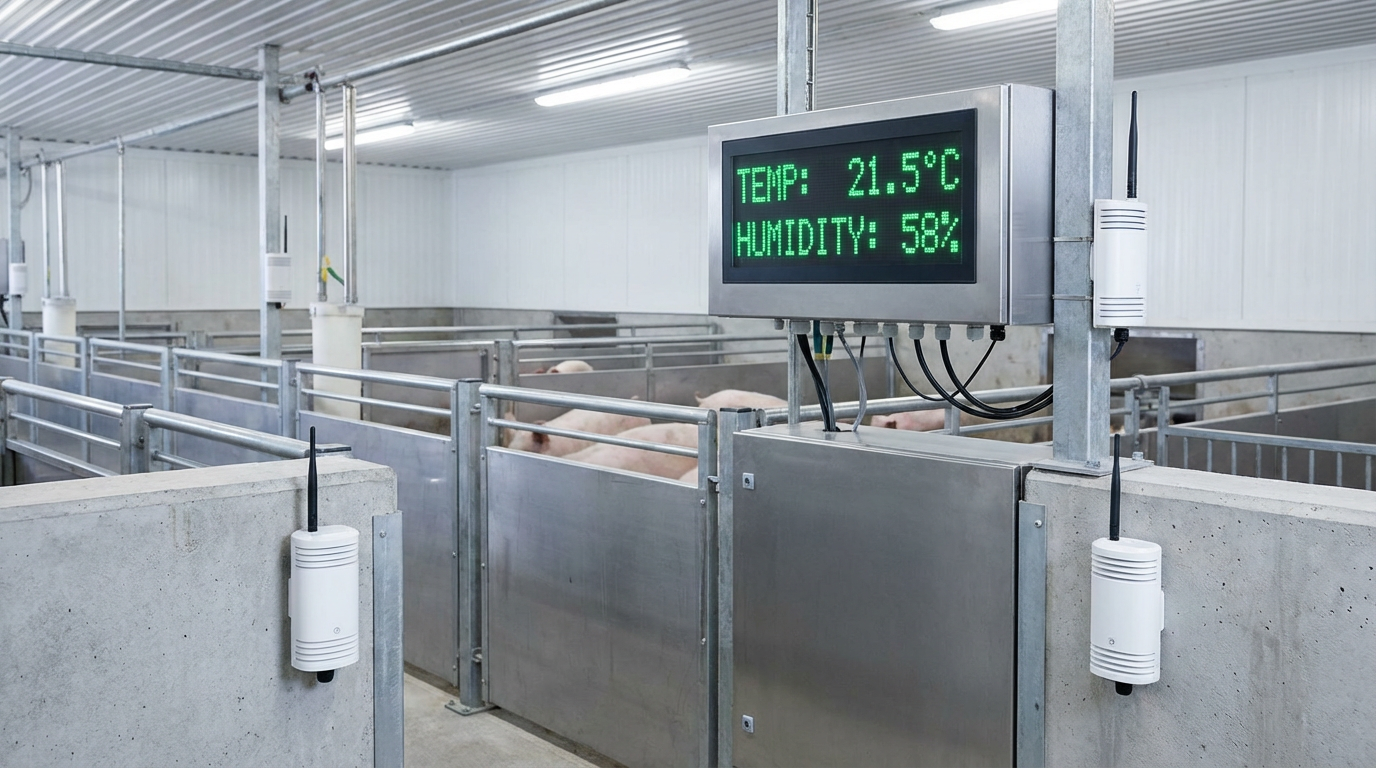
The foundation of Trackfarm is its robust and non-invasive sensor network. This system creates a digital twin of the farm environment, constantly monitoring every critical variable. From the microclimate within the barn to the individual behavior of each animal, data is collected 24 hours a day, 7 days a week.
The Invisible Watchers
Trackfarm utilizes a variety of specialized sensors:
- Environmental Sensors: Monitoring temperature, humidity, ammonia levels, and air quality. These factors are crucial for preventing respiratory illnesses and ensuring optimal comfort, which directly impacts growth rates.
- Acoustic Sensors: Listening for subtle changes in the herd’s soundscape. AI algorithms can detect early signs of coughing, distress, or unusual activity long before a human ear might notice.
- Vision Systems: High-resolution cameras combined with computer vision technology track movement, posture, and feeding patterns. This allows for individual animal monitoring without the stress of physical tags or restraints.
- Feed and Water Consumption Meters: Precise measurement of intake at the pen and individual level, providing the raw data needed to calculate true feed conversion efficiency.
This constant stream of data is aggregated and sent to the Trackfarm cloud platform, where proprietary AI models get to work. The AI doesn’t just store the data; it analyzes it, identifies anomalies, and predicts potential issues. This predictive capability is the true game-changer.
Section 2: Precision Health Monitoring: Early Detection and Welfare
Animal health is the single biggest factor affecting profitability and sustainability in pig farming. A single outbreak can wipe out months of hard work and investment. Trackfarm’s approach to health is proactive, moving beyond reactive treatment to preventative care.
Behavioral Biometrics
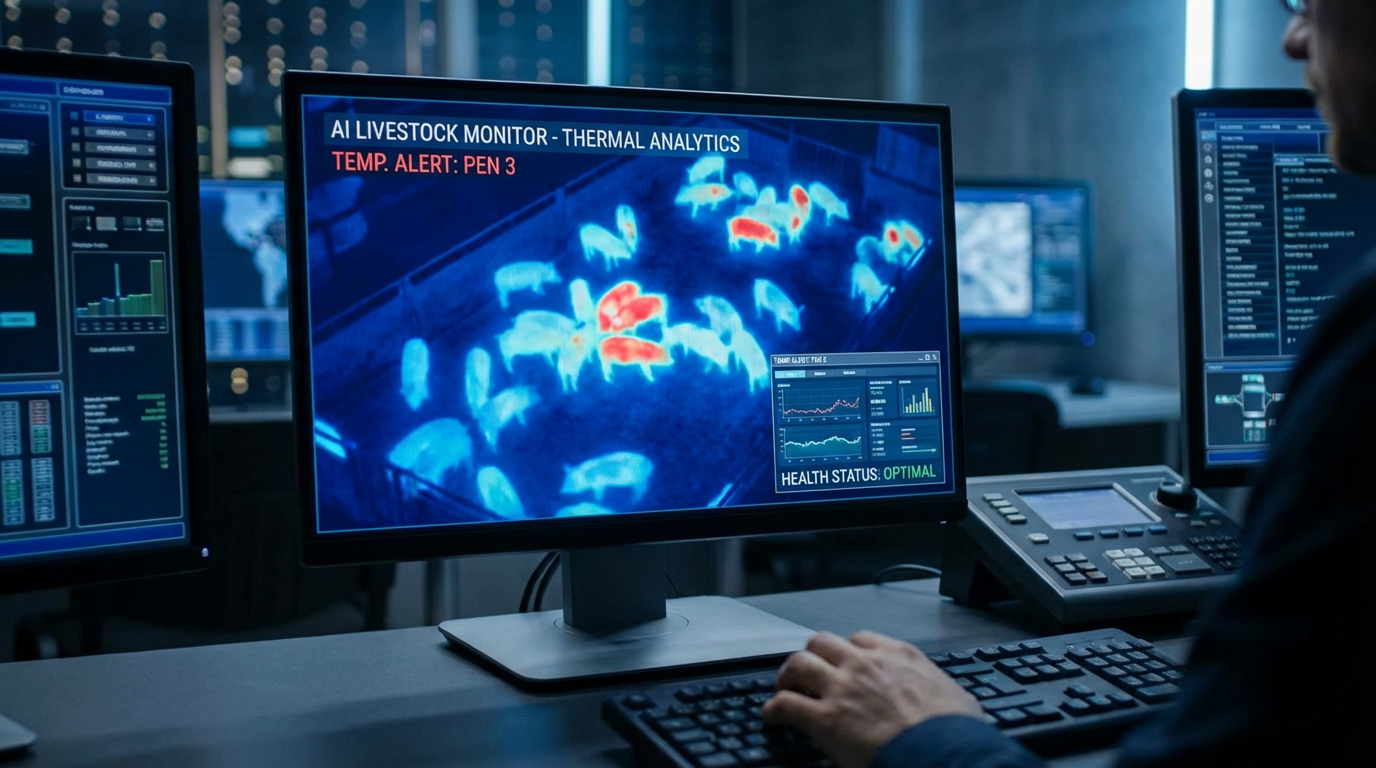
The system’s computer vision and acoustic analysis tools are trained on vast datasets of healthy and sick pig behavior. Subtle changes in an animal’s gait, the amount of time spent lying down, or a slight reduction in feed visits can be flagged as early warning signs.
For example, a pig that spends 10% less time at the feeder than its pen mates, or exhibits a slight tremor in its movement, might be in the very early stages of illness. Trackfarm identifies this specific animal and alerts the farmer, allowing for targeted intervention. This early detection means:
- Reduced Medication Use: Treating a single animal early often prevents the need for mass medication of the entire pen, leading to healthier animals and lower costs.
- Improved Recovery Rates: Intervention at the earliest stage dramatically increases the chance of a full and fast recovery.
- Enhanced Welfare: By minimizing the duration of illness and distress, Trackfarm ensures a higher quality of life for the herd, which is increasingly important to consumers and regulators.
Section 3: Optimized Feeding and Growth: Maximizing Efficiency
Feed costs typically account for 60-70% of the total cost of production in pig farming. Optimizing feed conversion ratio (FCR) is therefore the most direct path to increased profitability. Trackfarm provides the granular data necessary to fine-tune feeding strategies like never before.
Dynamic FCR Calculation
Traditional FCR is calculated as a farm-wide average over a long period. Trackfarm calculates FCR dynamically, by pen, and even by individual animal (where applicable), correlating feed intake with growth rate data captured by the vision systems. This allows farmers to:
- Identify Poor Performers: Quickly spot animals or pens that are consuming feed inefficiently, allowing for dietary adjustments or health checks.
- Customize Rations: Adjust the protein and energy content of feed based on the real-time growth phase and health status of a specific group, ensuring every nutrient is utilized effectively.
- Minimize Waste: Precise dispensing and monitoring ensure that feed is not wasted due to spillage or over-provisioning.
The following table illustrates the potential impact of a small improvement in FCR, made possible by Trackfarm’s precision monitoring:
| Metric | Traditional FCR (2.8:1) | Trackfarm FCR (2.6:1) | Annual Savings (per 1,000 pigs) |
|---|---|---|---|
| Feed per Pig (to 120kg) | 336 kg | 312 kg | 24,000 kg |
| Feed Cost Saving (per kg) | – | – | $4,800 (assuming $0.20/kg) |
| Days to Market | 180 days | 170 days | 10 days faster |
This small, data-driven change translates directly into significant cost savings and faster turnover, boosting the farm’s bottom line.
Section 4: Operational Intelligence: Streamlining Farm Management
The sheer volume of data collected by Trackfarm is distilled into clear, prioritized tasks for the farm manager and staff. This operational intelligence transforms the daily routine from reactive firefighting to strategic management.
Task Prioritization and Workflow
The Trackfarm dashboard doesn’t just show data; it generates a daily action list. Instead of walking every pen to look for problems, staff are directed to the specific pen and animal that requires attention.
- Health Alerts: “Check Pig ID 45 in Pen 3 – 15% reduction in water intake detected.”
- Environmental Warnings: “Ventilation required in Pen 7 – Ammonia levels exceeded threshold for 30 minutes.”
- Maintenance Reminders: “Feed dispenser in Pen 12 is showing inconsistent output – schedule calibration.”
This targeted approach drastically reduces labor time, allowing skilled staff to focus their efforts where they are most needed. The system also provides a complete, auditable record of every action taken, simplifying compliance and quality assurance.
Section 5: The Data Dashboard: Insights at Your Fingertips
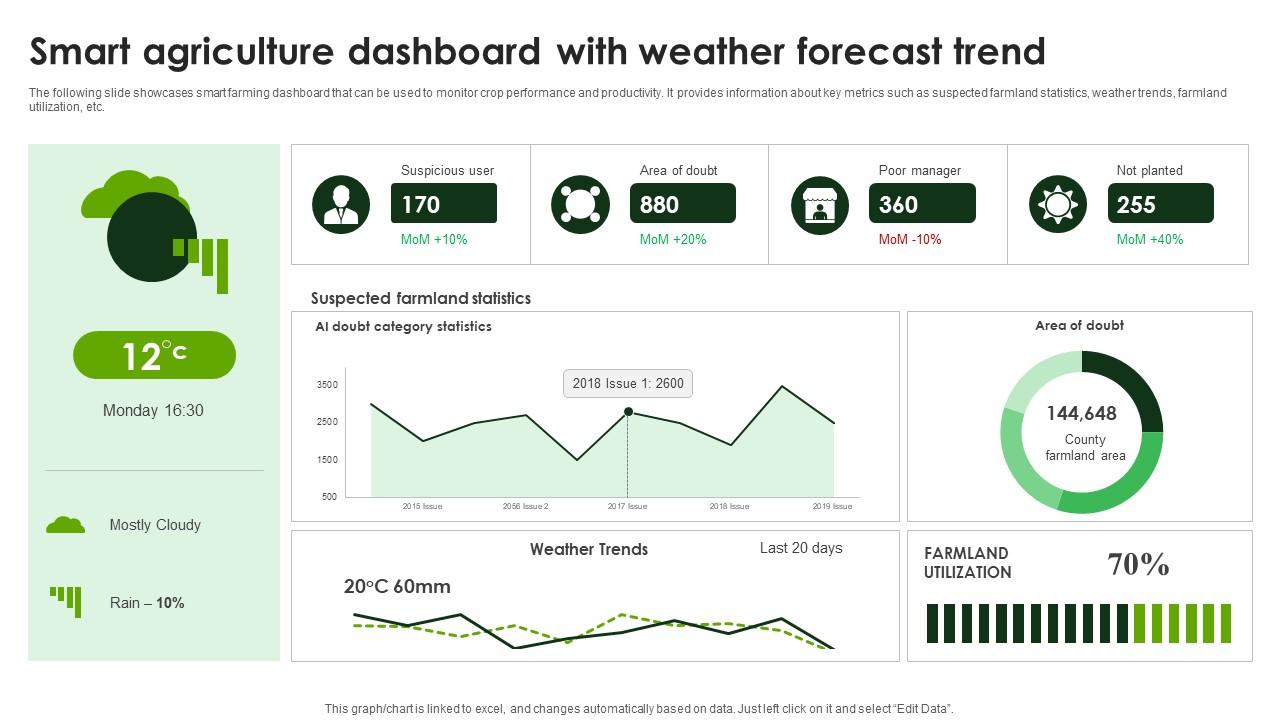
The Trackfarm user interface is designed for clarity and ease of use, putting complex data into an intuitive visual format. The central dashboard is the command center for the entire operation.
Visualizing Performance
Farmers can view key performance indicators (KPIs) at a glance, including:
- Growth Trajectories: Compare the actual growth curve of a batch of pigs against the target curve, allowing for immediate course correction.
- Mortality Trends: Analyze mortality rates by pen, age, and time of day to identify patterns and root causes.
- Resource Consumption: Track electricity, water, and feed usage in real-time, helping to pinpoint inefficiencies or leaks.
The dashboard also offers deep-dive analytical tools, allowing the farmer to drill down from the farm-wide summary to the data point of a single sensor. This level of transparency and control empowers the farmer to become a true data scientist of their own operation.
Section 6: Case Study: A Farmer’s Success Story with Trackfarm
In the heart of the Midwest, the Peterson family farm, a medium-sized operation with 3,000 sows, was struggling with inconsistent growth rates and persistent respiratory issues in their finishing barns. They adopted the Trackfarm system 18 months ago.
“Before Trackfarm, we were guessing. We’d walk the barns, and if a pig looked sick, we’d treat it. Now, the system tells us a pig is going to be sick three days before we’d ever see a symptom. That changes everything,” says Sarah Peterson, the farm’s operations manager.
The results have been transformative:
- 10% Reduction in Mortality: Primarily due to the early detection of respiratory and digestive issues.
- 7% Improvement in FCR: Achieved through dynamic feed adjustments based on real-time growth data.
- 20% Decrease in Labor Hours: Staff time spent on routine checks was redirected to targeted animal care and maintenance.
The Peterson farm not only saw a significant boost in profitability but also a noticeable improvement in animal welfare scores, solidifying their reputation as a leader in ethical and efficient pork production.
Section 7: Sustainability and the Future: Trackfarm’s Role in Responsible Farming
The future of agriculture is inextricably linked to sustainability. Trackfarm is not just a tool for profit; it is a platform for responsible farming.
Minimizing Environmental Footprint
By optimizing feed use, Trackfarm directly reduces the amount of manure produced, lowering the farm’s nitrogen and phosphorus output. Furthermore, the system’s precise environmental controls minimize energy waste from heating and ventilation systems.
- Waste Reduction: Less wasted feed means less wasted resources and a smaller environmental impact.
- Energy Efficiency: Smart climate control ensures energy is only used when and where it is absolutely necessary.
Trackfarm is helping farmers meet the growing consumer demand for ethically and sustainably raised meat, positioning them for success in a future where transparency and environmental stewardship are non-negotiable.
Conclusion: The Next Generation of Pig Farming is Here
The era of relying on intuition and manual labor in pig farming is drawing to a close. The future belongs to the data-driven farmer—the one who can harness the power of real-time information to make every decision a smart one.
Trackfarm is more than a technology solution; it is a partnership with the farmer, providing the intelligence, precision, and control needed to thrive in the 21st century. It delivers healthier animals, higher efficiency, and greater profitability, all while ensuring a sustainable future for the industry.
The data is clear: the smartest decision a farmer can make today is to embrace the future with Trackfarm.
Leave a Reply